A softer yen, steady demand in major cities, and renewed interest in modern living spaces are shaping Japan’s property landscape
Paul Butkovich, Director of Real Estate Sales at H2 Christie’s International Real Estate, and Miwa Urata, Manager of Global Sales and Branding at List Sotheby’s International Realty, both offer insight into the current Japan property market, highlighting its appeal, dynamics, and emerging trends. When asked about what makes Japan attractive to investors seeking stability and long-term value, Paul explains: “Japan offers a uniquely stable and transparent property market, underpinned by a robust legal system and decades of political consistency. For long-term investors, the appeal lies in reliable rental returns – particularly in major cities – combined with historically low borrowing costs. Despite broader global volatility, Japan remains a safe haven for capital, offering steady, value-preserving potential.”
Similarly, Miwa observes: “In a world of constant uncertainty, Japan’s real estate market emits a quiet strength. Political and economic stability, coupled with a clear and transparent legal frame-work, provide a solid foundation for long-term investment. Japan’s uniquely low interest rates create opportunities that are hard to find elsewhere, while major cities such as Tokyo, Osaka, and Kyoto continue to attract strong demand from both international business and tourism. Especially among our high-net-worth clients, destinations range from the snow resorts of Niseko in the north to the beach resorts of Okinawa in the south. With the yen remaining relatively weak, foreign investors have the added advantage of acquiring high-quality properties at comparatively favourable prices. Amid shifting demographics and a resurgence in tourism, Japan’s property market quietly but steadily builds long-term value. Unfazed by short-term fluctuations, it remains an appealing choice for investors seeking stability and sustainable wealth accumulation.”


On the performance of major cities versus secondary markets, Paul notes: “Tokyo and Osaka continue to lead with strong demand, world-class infrastructure, and consistent rental yields. Fukuoka, meanwhile, has emerged as a vibrant alternative, drawing a younger demographic and a growing number of tech-forward companies. While secondary cities still offer select opportunities, investor interest remains concentrated in urban hubs with population inflow and active redevelopment initiatives.”
Miwa echoes this, adding: “These urban hubs continue to attract people, businesses, and capital from both domestic and international sources. With stable rental demand and high liquidity, they remain the ‘blue-chip’ markets of the country. Prices may be high, but vacancy risks are low, offering investors a sense of security and long-term value. On the other hand, secondary markets such as Sapporo, Nagoya, Hiroshima, and the greater Fukuoka area offer an appeal all their own. While they may lack the overwhelming draw of major cities, these areas offer opportunities to invest at lower entry costs, often with relatively higher yields. Depending on demographic trends and redevelopment initiatives, some of these markets may even offer greater growth potential than their larger counterparts.”
The demand for modern rental units, despite a declining population, is being driven by lifestyle and household trends. Paul observes: “Although Japan’s population is shrinking, lifestyle shifts are transforming the rental landscape. A rise in single-occupancy households and increasing demand for design-led, smart-equipped apartments are fuelling interest in modern units. Tenants now prioritise comfort, convenience, and location over size – making new developments especially attractive in urban areas.” Miwa agrees: “Japan’s population may be shrinking, but demand for modern rental units in urban areas continues to rise. Major cities like Tokyo, Osaka, and Fukuoka remain magnets for workers and students, while the increase in single-person and small households drives demand for compact, well-equipped apartments. At the same time, lifestyle preferences are shifting tenants increasingly value comfort, design, and convenience, making new or renovated properties more desirable than older ones.”
Regarding the repurposing of older buildings, Paul comments: “Developers are revitalising aging structures by converting them into energy-efficient, multifunctional spaces. Office buildings are being transformed into contemporary apartments, while mixed-use projects integrate co-working spaces, retail, and residential units. This approach reflects Japan’s broader commitment to sustain-ability, innovation, and the evolution of its urban environments.” Miwa adds: “Older offices and commercial buildings are being transformed into residential units, hotels, co-working spaces, or mixed-use developments. Some projects take advantage of relaxed building regulations to add floors or enhance the design through creative conversions, creating new urban value. Additionally, environmentally friendly features and smart technologies are often incorporated, bringing these structures in line with contemporary city living. By giving vacant and aging buildings a ‘second life,’ cities regain vibrancy, and investors discover new opportunities.”
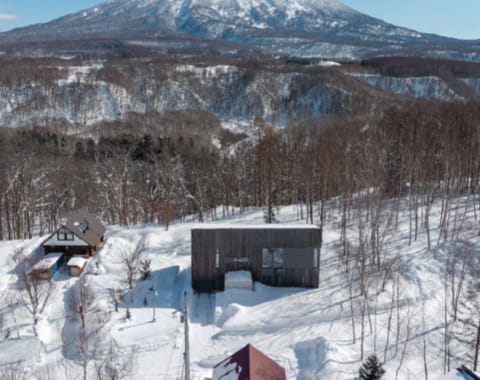
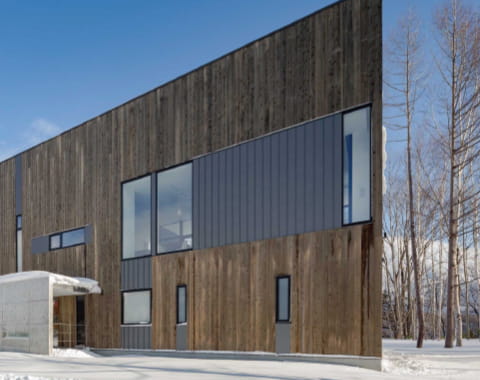
Mountain Outlook
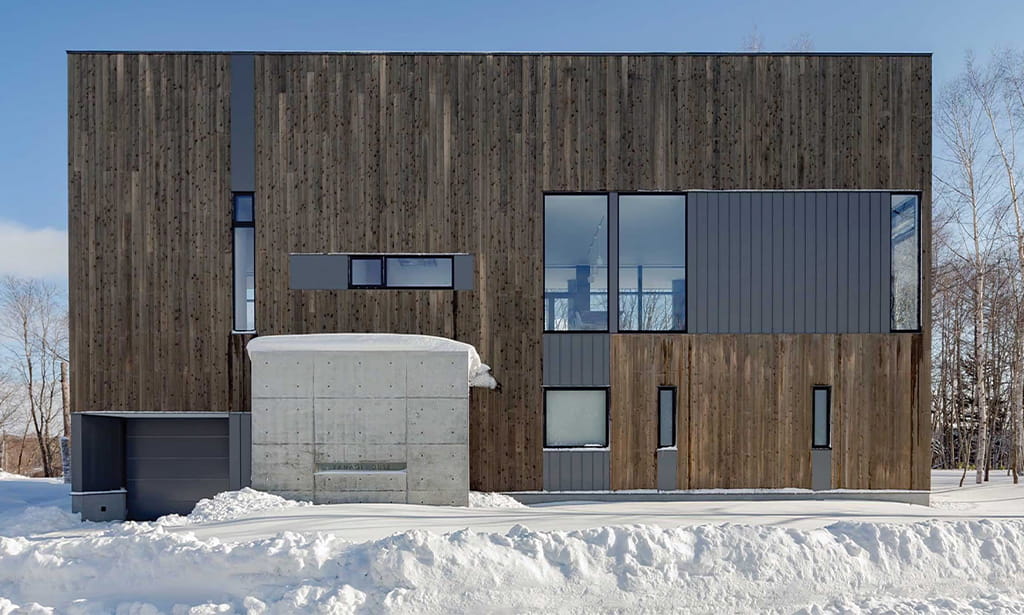
Located in Niseko’s peaceful Yotei Village, Yanagi House is a luxurious four-bedroom chalet positioned between panoramic views of Mount Yotei and the Niseko Grand Hirafu Resort. Surrounded by birch forest and bordering a 2,363m² town-designated park, it offers exceptional privacy and space.
Designed for comfort, the open-plan living area features floor-to-ceiling windows, a cosy fireplace and an expansive deck suited to sunrise yoga or sunset drinks. A media room and private garage add convenience, while high-end finishes combine contemporary style with alpine warmth.
The weaker yen has influenced investment patterns, with Paul noting: “The weaker yen has opened a golden window for international buyers, making Japanese properties more accessible and offering excellent value when converted from foreign currencies. Conversely, domestic buyers face a more cautious market environment. As inflationary pressures increase, many are turning to real estate as a stable, long-term store of value.”
Miwa observes: “In recent years, the weakening of the yen has subtly reshaped Japan’s real estate market. From an international perspective, Japanese properties now appear relatively affordable, drawing strong interest from foreign investors, particularly in high-end properties in Tokyo and Osaka. This influx of capital has invigorated the market and created new opportunities for transactions. On the other hand, domestic buyers may feel a heavier burden. Rising import costs and higher prices for construction materials, driven by the weaker yen, can increase the cost of purchasing or building a home, impacting affordability.”
Looking ahead to 2026, Paul states: “Japan’s property outlook for 2026 is being shaped by progressive policies and technological advancement. The government is championing sustainable urban development, smart infrastructure, and improved transparency for foreign investors. At the same time, tech-driven platforms and data-led planning are modernising the sector, creating a landscape that supports both lifestyle-focused buyers and institutional investors.”
Miwa concurs: “In 2026, Japan’s residential and commercial real estate markets are poised for transformation, driven by multiple emerging trends. Urban redevelopment and support for the renovation of aging buildings are enhancing property values in city centres, creating increasingly attractive investment opportunities. At the same time, stricter environmental regulations and carbon-neutral policies are pushing new construction and renovation projects toward sustainable
design and operations.
Changes in mortgage programs and tax incentives are also influencing both purchasing and investment decisions. Supported by a weaker yen and the high liquidity of major cities, foreign investor interest remains strong. Meanwhile, lifestyle shifts such as the widespread adoption of remote work and the rise of single-person households are driving demand for compact, well-equipped residences and flexible office or commercial spaces. Together, these layered factors, urban redevelopment, sustainability policies, tax and financing changes, investment trends, and evolving lifestyles are set to reshape Japan’s real estate landscape in 2026, creating new
value and opportunities across the market.”
This combined perspective underscores how Japan’s property market remains both resilient and adaptive, balancing traditional stability with modern demands and innovation.