Two property specialists discuss today’s equestrian market, from land quality and planning to the infrastructure that defines a successful country estate
Whether purchasing a countryside retreat with a handful of stables or a fully equipped professional yard, today’s equestrian buyers are approaching the market with clear priorities and careful planning. While demand for properties with horse facilities remains strong, buyers are placing greater emphasis on land quality, infrastructure and planning compliance than ever before. Ross D’Aniello, Co-Founder of Chartwell Noble, and James Walker, Regional Head of Central in Knight Frank’s National Country Department, discuss the factors shaping today’s equestrian property market.
For Ross, the quality of the land remains the defining feature of any equestrian property. “Land comes first, every time. You can improve a stable block, but you cannot buy better soil, so free-draining ground that offers genuine year-round turnout sits at the top of almost every brief we take. A properly constructed arena follows closely, with the emphasis on properly. Experienced buyers will walk a surface and read it within minutes. Beyond that, they want well-ventilated stabling, safe fencing, direct access to good hacking and practical lorry access, which they assess in person rather than from a map. The quieter shift is a forensic interest in paperwork. Planning consents for every structure, drainage records and arena installation documents now carry real weight, because knowledgeable buyers understand exactly how expensive these things are to put right after completion.” James believes buyer priorities vary depending on experience and ambition but says practicality always comes first. “As with most buyers, they are concerned about entry costs (purchase price, tax (stamp duty), work required to the dwelling(s) as well as the equestrian facilities themselves.
Depending on the type/sport of equestrian and level of ability and aspiration, the key features are stabling and size of land-holding, professionals need staff accommodation. Everything else can be installed as required, subject to planning etc. All these aspects are relative to the usual considerations of buying property, like house style, condition, location and general property attributes – and price point.”
Although the surge in countryside relocations has eased, both experts say interest in equestrian properties remains healthy. Ross explains: “Demand has remained resilient over the past year, although it has changed shape. The speculative rush to the country has long since washed through, and today’s buyer is committed, well researched and usually working to a precise brief. Rising livery costs are a genuine driver, as more owners want their horses at home under their own management – the demand for suitable equestrian properties under 10 acres is the highest I have personally ever seen it. Across the wider prime country market, buyers have become noticeably price-sensitive, so anything ordinary or optimistically priced will sit. Genuinely well-equipped equestrian homes remain scarce,
and when the right one appears it still attracts decisive, competitive interest. These are lifestyle purchases at heart, which gives the sector a resilience that pure investment markets rarely show.”
James has also recorded growing demand across different buyer groups. “In our experience, there has been an uptick in demand for property capable of supporting equestrian facilities; whether that’s for young families aspiring to be part of the local Pony Club, so minimal facilities required bar a few stables and a suitable paddock for grazing – or those wanting a serious dedicated equestrian set-up with all the infrastructure to enjoy or train to highest level of professionalism.” He adds that the cost and time involved in creating new facilities has made ready-made properties increasingly desirable. “Often, these buyers need to get into a suitable property and hit the ground running with the use of the facilities.”
Planning remains one of the biggest considerations during a purchase. Ross says: “Planning catches more buyers out than anything else. Stables, arenas and ancillary buildings are sometimes erected without consent, or under permitted development claims that would not survive scrutiny, and enforcement can follow up to ten years after completion, so verifying the status of every structure is essential.” He also warns that construction quality and land conditions deserve close attention, noting that “a standard survey covers the house; the equestrian infrastructure needs its own due diligence.”
Refined Retreat
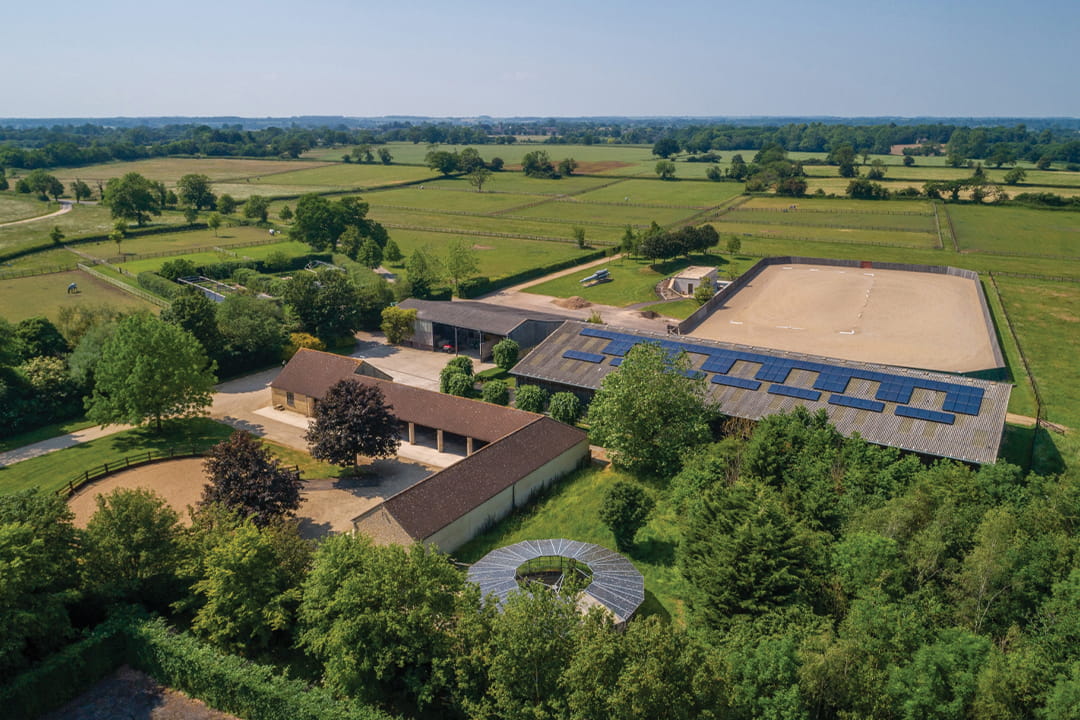
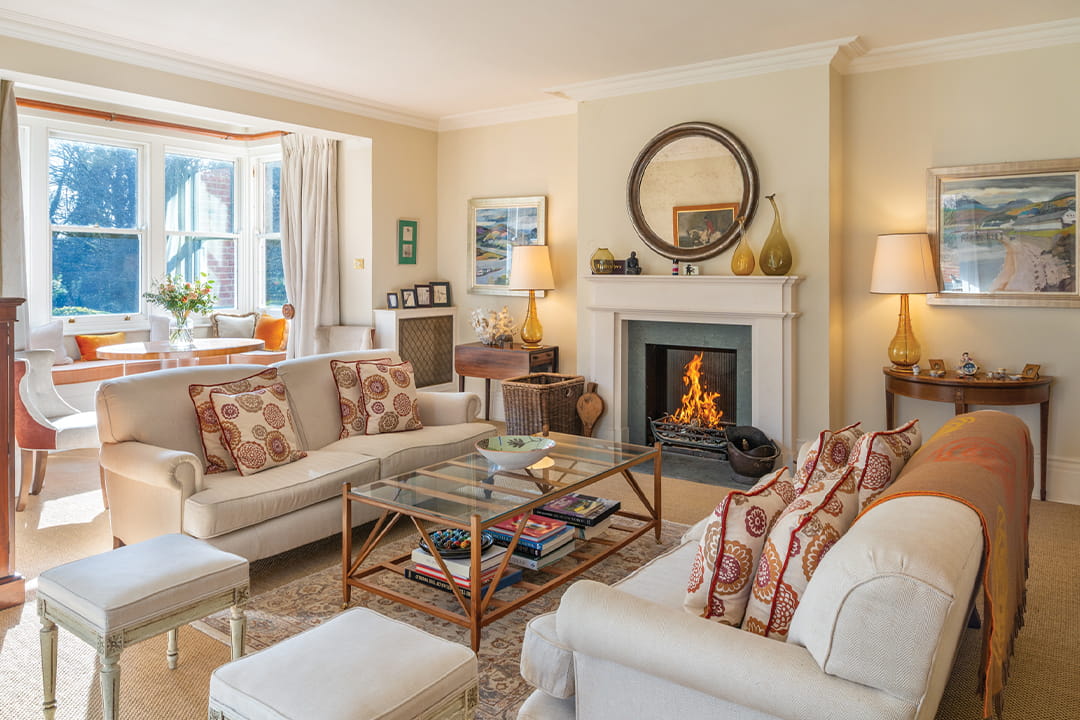
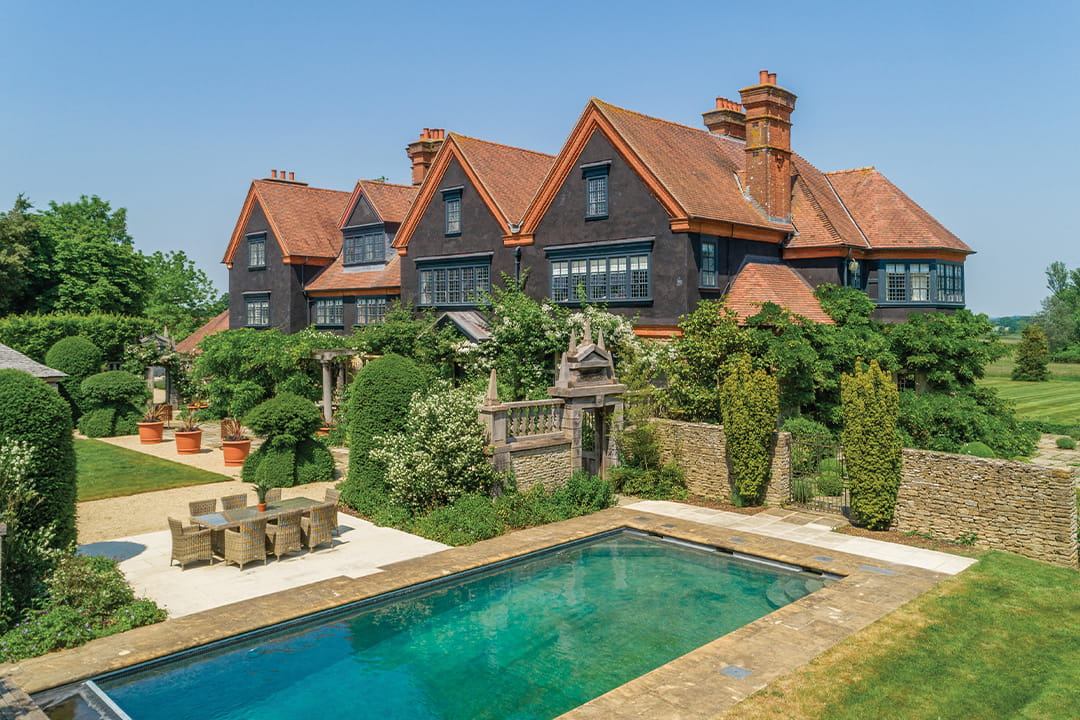
Built in 1905, Ladyswood House is a beautifully restored Edwardian residence set within 60 acres of rolling countryside. Carefully refurbished by its current owners, the house combines original character with modern comforts, creating a home equally suited to family life and large-scale entertaining.
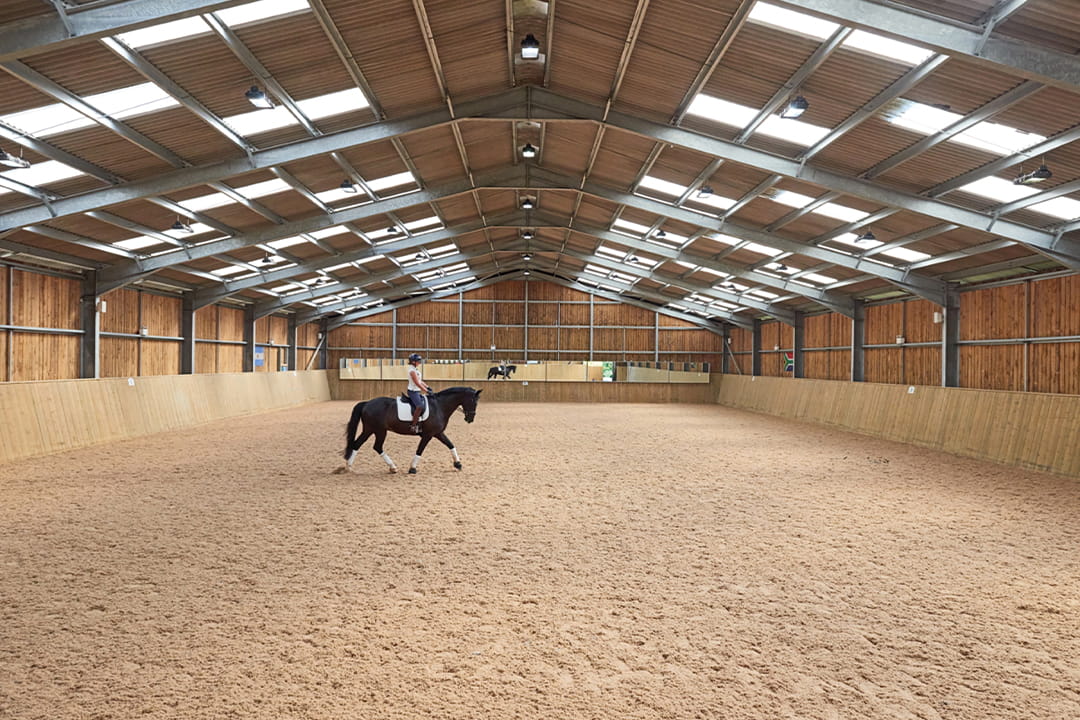
Elegant reception rooms, generous living spaces and refined finishes are complemented by exceptional equestrian facilities, making the estate a natural choice for those with a passion for horses. A dedicated polo yard, impressive indoor riding arena with viewing gallery, outdoor polo arena and extensive stable complex, including loose boxes and Monarch stables, provide first-class amenities for both training and competition. The Lodge, positioned on the estate boundary, offers self-contained single-storey accommodation, ideal for guests, staff or extended family.
James agrees that land quality should never be underestimated. “Depending on the nature of the requirements, number of horses and what you are doing with them, the land quality (including landscape character) is a vital consideration, particularly for studs and racehorse training.”
Lifestyle continues to be the main motivation for buyers. Ross explains: “At the premium end, most of our buyers are purchasing a private home for their own horses, and lifestyle rather than yield is what motivates them.” While some owners hope to offset costs through small-scale livery or tuition, he stresses that “private domestic stabling and commercial use are treated quite differently”, making planning approval essential before committing.
James agrees that land quality should never be underestimated. “Depending on the nature of the requirements, number of horses and what you are doing with them, the land quality (including landscape character) is a vital consideration, particularly for studs and racehorse training.”
Lifestyle continues to be the main motivation for buyers. Ross explains: “At the premium end, most of our buyers are purchasing a private home for their own horses, and lifestyle rather than yield is what motivates them.” While some owners hope to offset costs through small-scale livery or tuition, he stresses that “private domestic stabling and commercial use are treated quite differently”, making planning approval essential before committing.
"Genuinely well-equipped equestrian homes remain scarce, and when the right one appears it still attracts decisive, competitive interest."
James sees a similar pattern. “Most private buyers of an equestrian lifestyle slant are happy with a reasonable house, a few stables and a store barn with around 10 acres.” For vendors preparing to sell, presentation remains one of the most valuable investments. Ross says: “The best returns before marketing usually come from land, presentation and paperwork rather than new construction.” He recommends restoring pasture, repairing fencing and assembling planning documents before listing a property.
James agrees. “Presentation is a key element to attracting buyers and maintaining their enthusiasm from the moment they show interest.” He also highlights the value of maintaining quality grazing, secure fencing and practical additions such as automatic water troughs, while noting that indoor arenas are most valuable where they genuinely suit the property’s target buyer.
For anyone entering the equestrian property market, preparation remains the common thread. Ross encourages buyers to define their priorities, inspect every paddock and seek advice from professionals who understand both horses and property, while sellers should organise paperwork and prepare the land well before marketing begins. James adds that practical matters such as muck heap management and field shelters should not be overlooked. As buyers become increasingly knowledgeable, properties that combine well-managed land, compliant facilities and thoughtful presentation are best placed to attract serious interest.
Rural Elegance
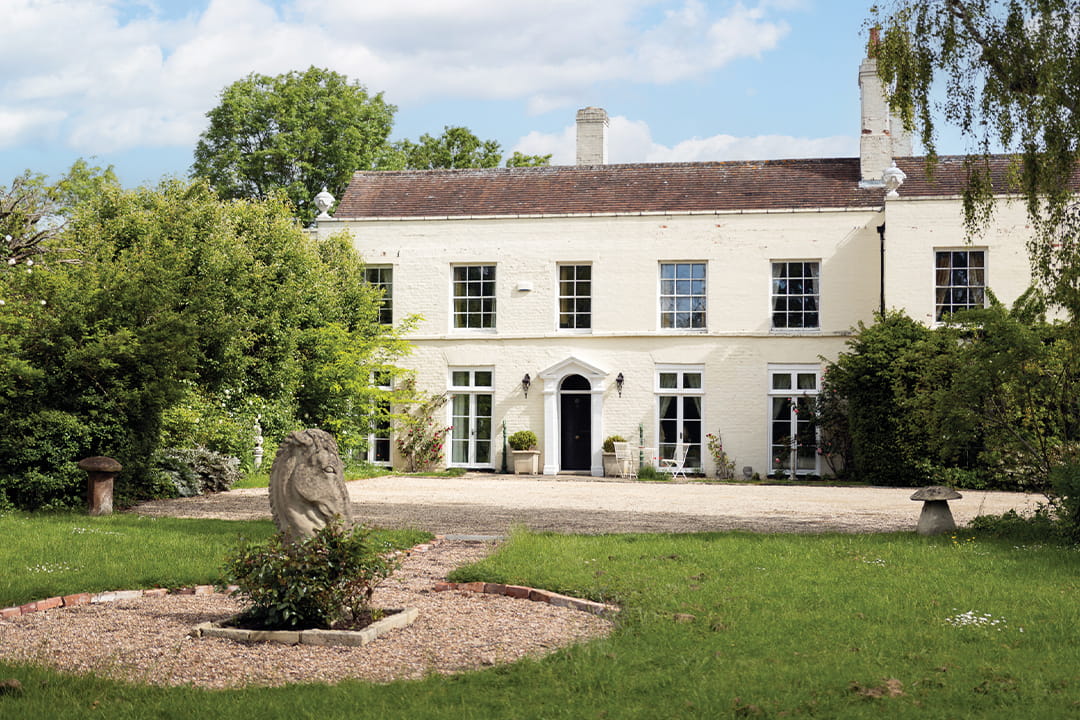
Set within approximately 26 acres of Worcestershire countryside, The Old Manor is an elegant 18th-century country house that pairs period charm with generous living space.
Reached through electric gates and a sweeping gravel driveway, the property retains its original character while providing comfortable accommodation, alongside a separate two-bedroom cottage for guests, staff or extended family members.
Designed with equestrian living in mind, the estate features 16 stables, an indoor ménagé and well-maintained paddocks, all accessed independently from the main residence for added convenience. Mature gardens, a peaceful lake, tennis court and swimming pool create inviting spaces for entertaining or quiet afternoons outdoors.
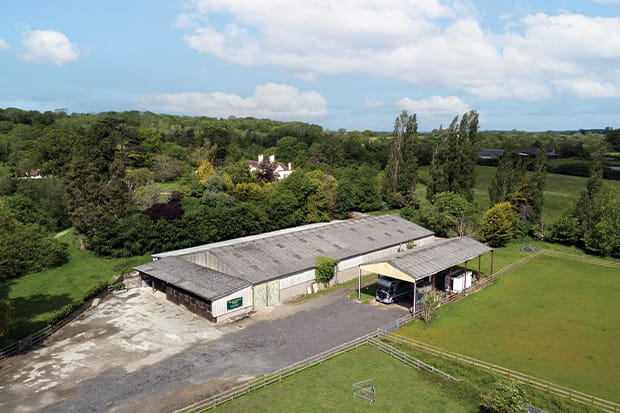
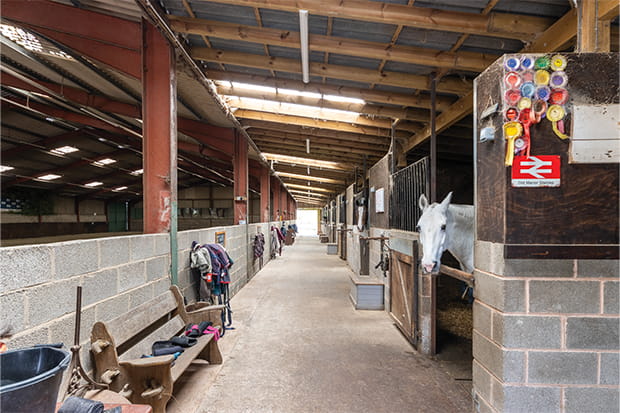
Surrounded by open countryside and established parkland, The Old Manor combines privacy, practical facilities and a relaxed country setting, making it equally suited to family life, equestrian pursuits or weekend escapes.
Its extensive grounds provide ample space for riding, recreation and enjoying the changing seasons, while the balance of heritage, comfort and functionality creates an exceptional rural lifestyle.
£2.75m / €3.23m / $3.67m
Chartwell Noble
www.chartwellnoble.co.uk
Manor Escape
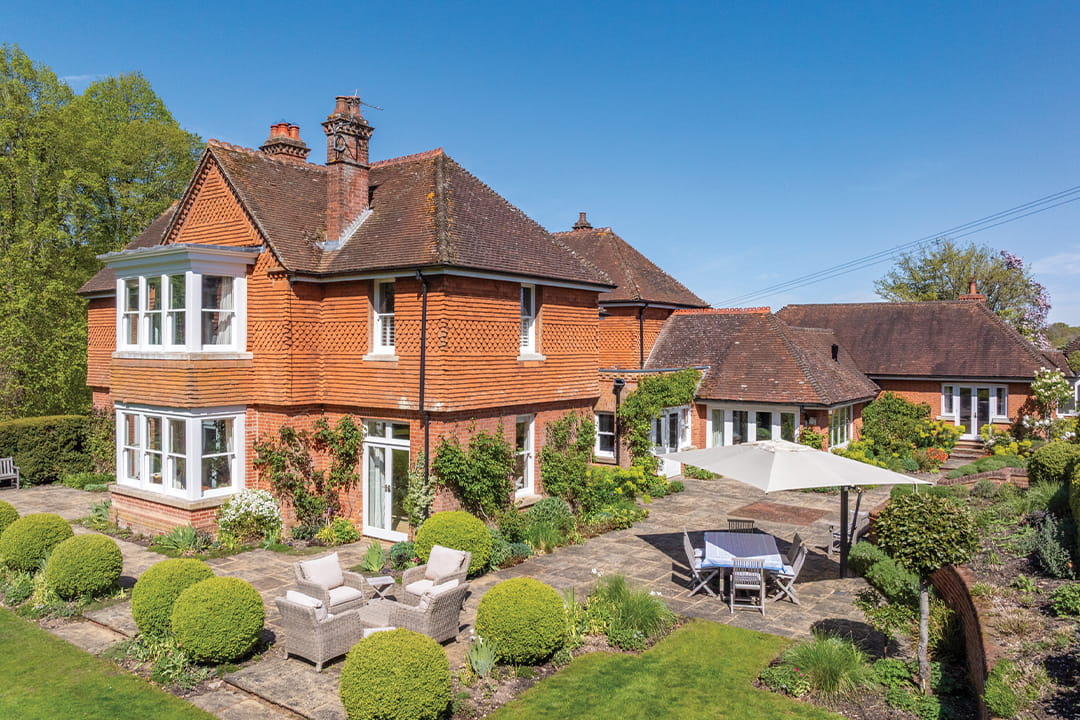
Approached via a tree-lined gravel driveway, Ashe Court is an elegant country house with generous accommodation, beautiful gardens and far-reaching views across the North Hampshire countryside.
Spacious reception rooms, including a bay-fronted drawing room, comfortable sitting room and formal dining room, provide inviting spaces for entertaining and everyday family life, while the kitchen with its central island and traditional AGA forms the heart of the home.
Upstairs, four well-proportioned bedrooms enjoy countryside views, including a principal suite and guest suite, while a separate wing with its own entrance offers flexible annexe accommodation,
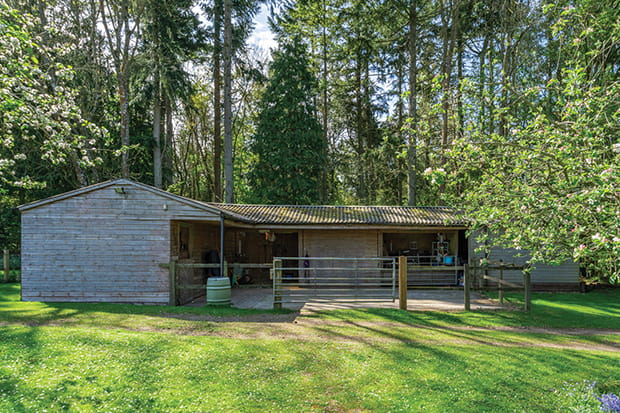
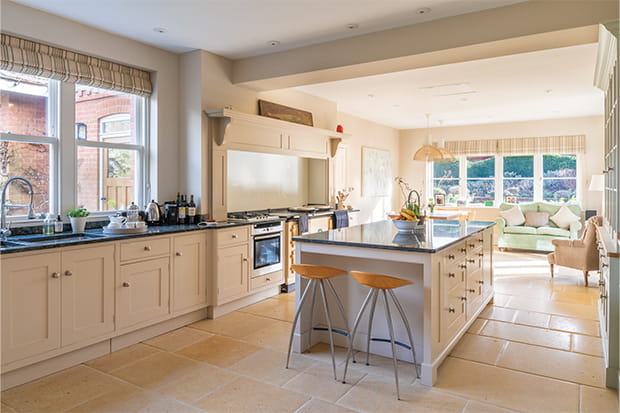
ideal for extended family, guests or staff. Outside, south-facing terraces lead to landscaped gardens with a swimming pool, summer house and tennis court, creating a wonderful setting for outdoor living and enjoying the surrounding countryside.
Completing the estate are stables, an all-weather ménage and fenced paddocks, making Ashe Court equally suited to equestrian pursuits and relaxed country living. The combination of well-appointed accommodation, extensive grounds and excellent leisure facilities creates a versatile rural retreat for modern family life.