Andrea Marechal Watson guides us through the sizzling shows heating up the art world this summer, from Richard Dadd to Andy Warhol.
RA Summer Exhibition
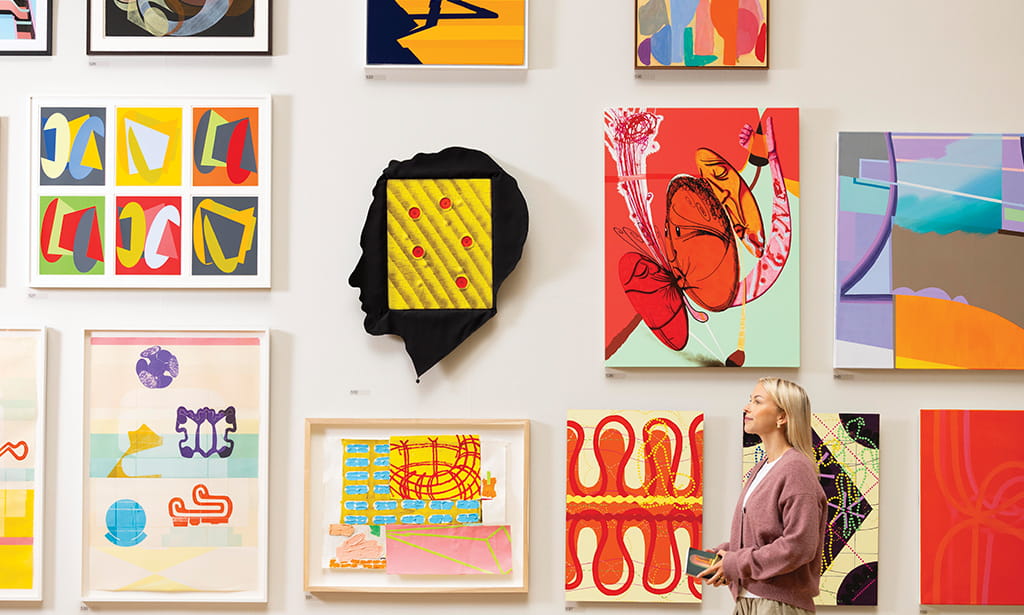
The world’s oldest and largest open exhibition returns once more to Burlington House in Piccadilly, continuing a tradition that began in 1769.
Welcoming artists across the board, from rank outsiders to highly regarded Royal Academicians, the exhibition encompasses painting, printmaking, photography, sculpture, architecture and film. The vast majority of works are available to purchase, often at surprisingly accessible prices despite the soaring values achieved by established names.
Around 1,200 works are on display, making it the world’s largest open-submission contemporary art exhibition and offering a broad snapshot of current artistic practice. A significant proportion of funds raised supports the Royal Academy Schools, helping to nurture the next generation of artists.
Until 23rd August at the Royal Academy,
Piccadilly, London, UK.
www.royalacademy.org
Warhol
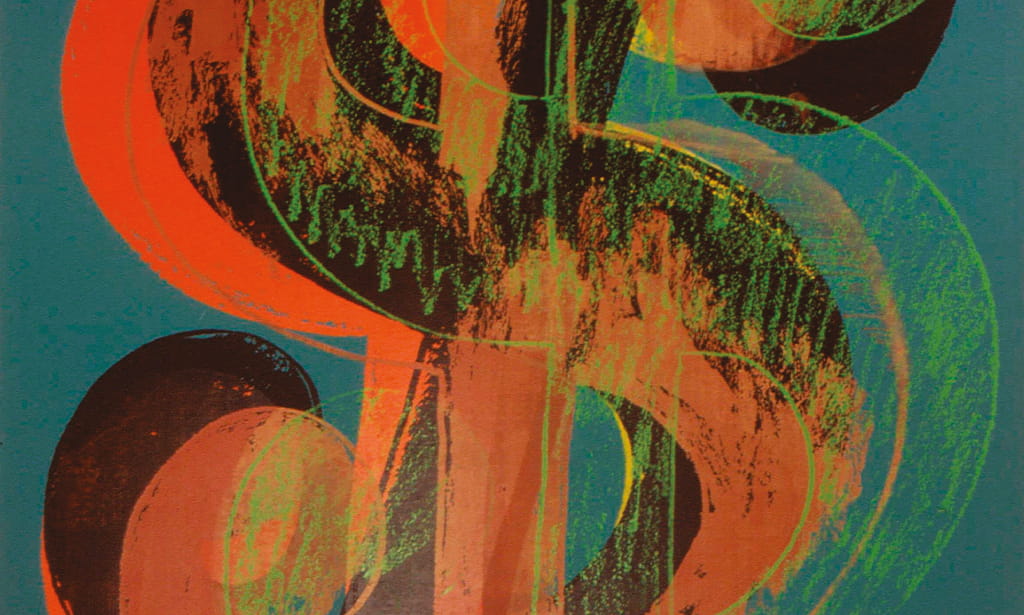
Thanks to a partnership with the historic museum of Pittsburgh, which boasts the biggest museum in the world devoted to a single artist, more than 200 works by Andy Warhol have made their way to France for a new retrospective. The items, including paintings, silkscreens, drawings and films, offer a cross-section of the iconic Pop Art artist alongside a new analysis by Warhol expert and curator Amber Morgan.
Warhol, a child of immigrants, found early success as a commercial artist before becoming one of the most recognisable and influential 20th century figures.
Driven by determination and hard work, Warhol pursued the American Dream relentlessly. He was a savvy businessman and realised how effective commercial imagery could be, using it as inspiration and source material. He realised that advertising and media had the power to turn products and people into icons – and now his treatments of these images have themselves become icons.
As Warhol’s fame increased, celebrities began wanting portraits in his signature style. Anyone willing to pay the fee could have the ‘Marilyn’ treatment.
He exploited the singularly American fantasy that anyone can be famous, anyone can be rich, everyone has the same chances. He knew it to be a myth and his works weave between celebration and cynicism. The exhibition brings together pieces that have been endlessly reproduced (Marilyn, Soup Cans) but also introduces some less familiar such as the dollar sign or Statue of Liberty quite unfamiliar.
Until January 2027 at the Fonds Hélène & Édouard Leclerc pour la Culture, Landerneau, France
www.fonds-culturel-leclerc.fr
Animalia: Bestiary from The Al Thani Collection
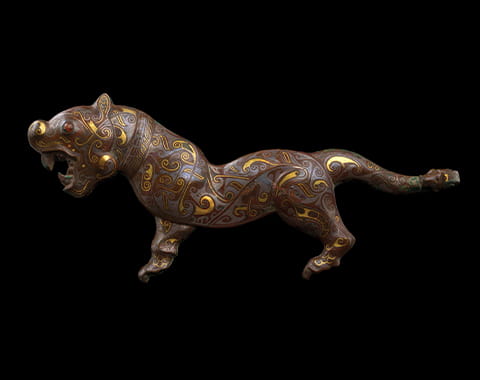
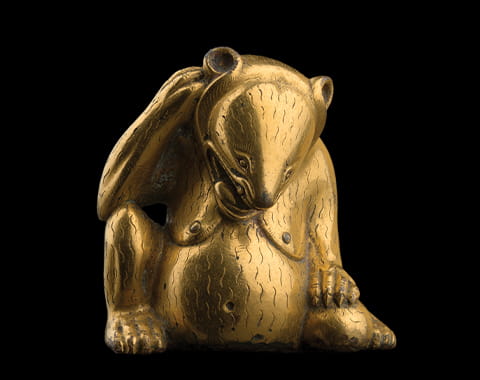
The animal kingdom knows no boundaries when it comes to art and has inspired some of the most beautiful objects across cultures. Despite mankind’s often appalling treatment of the natural world and its fauna, animals have also inspired love and devotion and provided an endless supply of iconography for artists.
Featuring over 120 objects drawn from The Al Thani Collection, this exhibition includes depictions of creatures – both real and imaginary – representing civilisations dating from 3000 BC to the modern day.
Almost all were commissioned by royal or aristocratic patrons, and so are distinguished by the quality of their execution and the use of rare and exotic materials. Highlights include a Fatimid chess piece carved from a single block of rock crystal in the form of a king mounted on his elephant; a Timurid finial carved from nephrite jade as a ram’s head; and a gold Mughal jewellery pendant depicting a bird and set with diamonds, rubies and emeralds.
The singular theme helps to highlight the widespread associations and beliefs related to animals and shared through history and across the world.
One gallery celebrates that most esteemed of animals – the horse. Domesticated around 2000 BC, the horse rapidly became a widely recognised symbol of power and status throughout the world. Equestrian portraits have been a quintessential royal image for millennia.
Another gallery examines the connection between power and the animal world, showing how the elite have used animal imagery to articulate authority, prestige and religious beliefs. In ancient Egypt, the cat acquired a religious and protective significance represented in the exhibition by a bronze and gold statuette dating from the Late Period (circa 600–400 BC). The lion became an enduring motif of imperial authority in ancient Babylon – we see a silver bowl commissioned for Nebuchadnezzar II (605–562 BC) adorned with a figure of a striding lion. Other wild cats that adorn ornaments and clothing include jaguars and tigers. Such animals were however also grossly mistreated, used in Rome for fights, hunted for their pelts and feathers or tucks and horns, and brought in many cases to the edge of extinction.
The last gallery explores the boundaries between the animal world and the supernatural, where deities, heroes and mythological beings take hybrid and transformative forms. Two items illustrate ancient Egyptian theology: a statuette of Thoth in the form of a baboon (Late Period) and a sculpture depicting a falcon-headed crocodile deity. Across cultures, animals have served as conduits between the human and the sacred. An anthropomorphic gold pendant from ancient South America incorporates features of the jaguar, a powerful and sacred figure in pre-Columbian cosmologies. Similarly, a bird-form headdress frontlet created by the Tlingit people of Southeast Alaska (circa 1840) from wood, abalone shell and pigment evokes the animal as a mediator between worlds.
The exhibition concludes with the enduring mystique of fantastical creatures such as dragons – a creature that continues to fascinate us today.
From 1 July 2026 to 10 January 2027
at the Al Thani Collection, Hotel de la Marine, Paris, France
www.thealthanicollection.com
Project a Black Planet
The Art and Culture of Panafrica
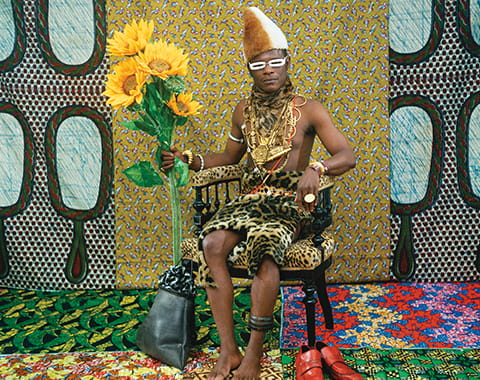
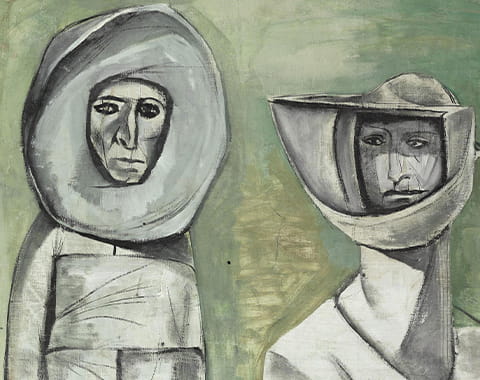
This exhibition examines the influence of Pan-Africanism on art and culture, with a programme of more than 50 events bringing together artists, thinkers, and communities from across the African continent and its global diasporas.
While Pan-Africanism has long been recognised as a force in 20th history, the Barbican’s show is the first major international show looking at both sides of the coin, the impact of Pan Africanism on art and culture and the role of artists in shaping Pan-African visions.
The 300 works on show span 100 years from circa 1920 to the present day. Included are paintings and installation, posters, journals, and film coming from Africa, Brazil, the Caribbean, North America and Western Europe. With a vast number of artists participating it’s hard to single out a particular name but best known are probably Venice Biennale 2026 curator Lubaina Himid, William Kentridge, Chris Ofili and Lynette Yiadom-Boakye.
Instead of mapping a defined geography, the exhibition casts Panafrica as a shifting constellation that reimagines standard models of the planet. Many works respond to histories of conflict and rupture and they bring a range of voices into conversation, including academically trained and self-taught artists, popular musicians, political and poetic speakers as well as printed materials from posters and magazines to pamphlets and newspapers, all playing a part in the formation and spread of Pan Africanist ideas.
Among the highlights are a new body of 12 paintings and drawings by Lynette Yiadom-Boakye, tracing the ways in which Pan-Africanism has shaped the lives of generations of communities like her own. David Hammons’ African-American Flag, 1990, and Chris Ofili’s 2003 Union Black, both rework the Pan-African flag. Wifredo Lam’s paintings of the 1940s reflect the newly coined concept of Négritude and its emphasis on reclaiming African culture, asserting Black identity, and challenging Eurocentric narratives of civilisation.
Until September 7th at the Barbican,
London, UK | www.barbican.org.uk